Harrow Locksmith Service Team
Local locksmith team
30 Sep 2026 11 min read
Moving into a new home is one of those moments that feels like a fresh start — and it genuinely is. But amongst the removal boxes, the meter readings, and the mad dash to find the kettle, there is one task that tends to get pushed to the bottom of the list: changing the locks. It is easy to assume the keys handed over by the estate agent represent the full set, but in reality you have no way of knowing how many copies were cut over the years — by previous owners, tenants, tradespeople, or neighbours who held a spare. Changing the locks on day one is not paranoia; it is simply the most sensible thing you can do.
Whether your new home is a mid-terrace in Harrow Weald, a ground-floor flat near St Ann's Road, or a semi-detached off Pinner Road, the principle is the same: until the locks have been changed, your property is not fully secure. This guide covers exactly why that matters, what a lock change actually involves, and what your options are depending on whether you have a timber front door or a uPVC door. If you would rather hand it straight to a professional, our team at Harrow Locksmith is available around the clock — call 020 3750 2226 and we will talk you through the right solution before anyone sets off.
## Why Changing the Locks on Day One Is Not Optional
Think about the lifespan of a typical set of keys. A family might live in a property for ten or fifteen years. During that time they may have given a key to a relative, a cleaner, a dog walker, a neighbour who took in parcels, and a plumber who was trusted with access while they were at work. When that family moves out, most of those keys are never returned — not out of malice, but simply because nobody keeps track. The estate agent gets a set, the new owners get a set, and everyone assumes that is that. It is not. A professional lock change Harrow residents can rely on removes that uncertainty entirely: once it is done, you are the only person who holds a working key.
There is also an insurance angle worth knowing about. Many home contents and buildings insurers in the UK specify that front door locks must meet BS3621 — the British Standard for insurance-rated locks. If you move into a property and discover the existing lock does not meet that standard, you may find a claim is affected. A qualified locksmith can check compliance when they attend, and fit a suitable replacement if needed. It is a detail that takes five minutes to confirm and can matter enormously later.
## What a Lock Change Actually Involves — Timber and uPVC Doors Explained
The process of changing a lock varies depending on the type of door you have, and it is worth understanding the difference before you book anyone out. On a traditional timber front door — common in Harrow's Victorian and Edwardian streets — you will typically find two separate mechanisms: a Yale-type nightlatch on the upper part of the door, and a 5-lever mortice deadlock set into the edge of the door. The nightlatch is the one you use every day; the mortice deadlock is the one your insurer cares about. Replacing a nightlatch is straightforward: a new cylinder or complete unit is fitted to the existing backplate, usually without any cutting or significant woodwork. Installing or replacing a 5-lever mortice deadlock — sometimes called fitting a mortice lock in a new door — requires the lock case to sit precisely within a mortice pocket cut into the door edge, with the striking plate on the frame aligned exactly. It is achievable work for a skilled locksmith but is not a job to rush.
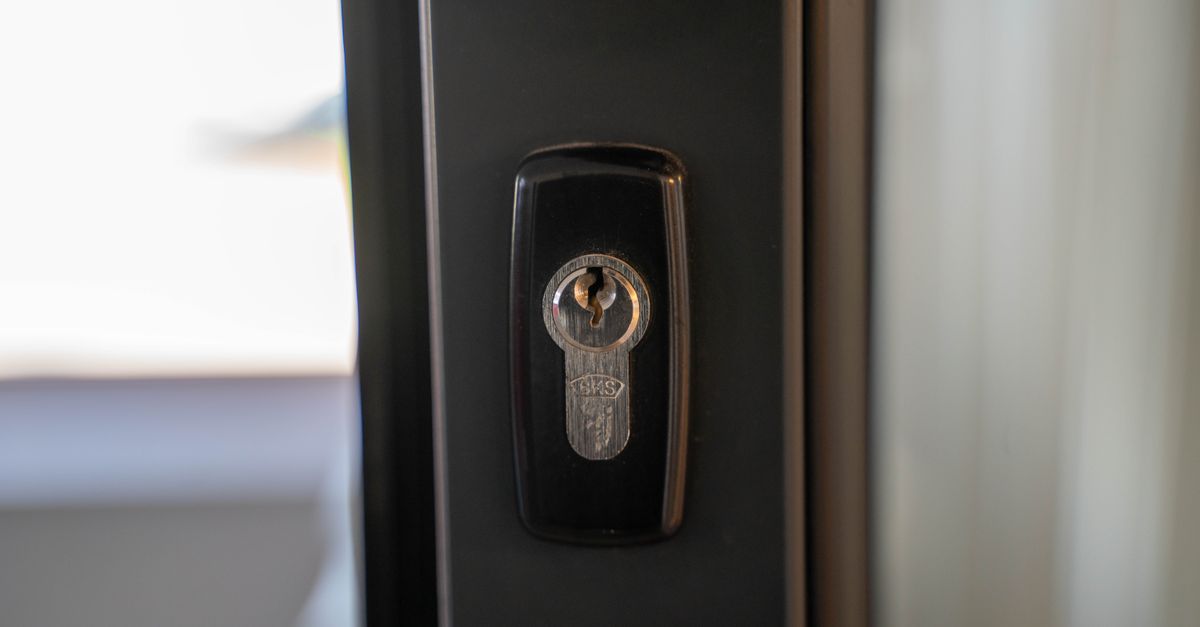
uPVC and composite doors — which you will find on a large proportion of newer homes across Harrow — work differently. They use a multipoint locking system: a long mechanism that runs the height of the door and shoots multiple bolts or hooks into the frame when you lift the handle. The part that is most often changed on a uPVC door is the euro cylinder — the barrel-shaped insert that the key turns. On older doors this is frequently a standard cylinder that is vulnerable to a technique known as lock snapping, where the cylinder is simply broken in two with a physical attack. This is a real risk and not a theoretical one. For a door lock replacement Harrow homes rely on, our locksmiths always recommend upgrading to an anti-snap cylinder that meets TS007 3-star rating. These are engineered to resist snapping, picking, and drilling, and they are a direct, like-for-like replacement for the existing cylinder — the door and the multipoint mechanism stay exactly as they are.
## The Locked Out Scenario — and How to Handle It Sensibly
Even with a fresh set of locks, life occasionally has other plans. If you find yourself locked out Harrow — perhaps you have stepped outside to put something in the car and the door has clicked shut behind you, or a new lock has not quite bedded in and the key is not turning cleanly — it is worth pausing before doing anything that could damage the door. First, check every other accessible entrance: back doors, ground-floor windows that may have been left on the latch, or a neighbour who may hold a spare key if you arranged one. If you live in a flat, your managing agent or housing association may have a master key for the communal entrance, though not for your individual front door.
If none of those options apply, the right move is to call a professional. Can a locksmith get into a deadlock or a multipoint lock without causing damage? Yes — an experienced locksmith has the tools and technique to open most common locks non-destructively, meaning the door and the mechanism can often be preserved intact. What you should not do is attempt to force a door yourself or take advice from online videos on bypassing locks: the risk of damaging the door, the frame, or the mechanism is high, and in a rented property that damage could be your financial responsibility. For anyone asking what to do when you are locked out of your house, the practical answer is: check the obvious alternatives first, stay calm, and call a locksmith who can verify your identity and your right to access the property before carrying out any work. Our team at Harrow Locksmith sends a locksmith straight away and is usually with you in around 30 minutes — call 020 3750 2226 any time, day or night.
## Choosing the Right Lock for Your New Home — a Practical Summary
Once you have decided to go ahead with a lock change, the choice of replacement hardware matters. For timber doors, the combination of a good-quality nightlatch and a BS3621 5-lever mortice deadlock is the standard your insurer will expect. For uPVC and composite doors, a TS007 3-star anti-snap euro cylinder is the upgrade that makes the most difference to real-world security. If your door has a letterbox fitted in the lower half, it is also worth considering whether a potential intruder could reach through to operate the lever — a locksmith can advise on letterbox guards or repositioned locks if this is a concern.
It is also worth thinking about the number of key holders from day one. Rather than cutting multiple copies of a new key and distributing them without a record, consider who genuinely needs regular access and keep the list short. If you have a letting agent managing the property, make sure you are clear about their key-holding policy. If you are a landlord moving tenants in, a lock change between tenancies is best practice — not just for security but to demonstrate to incoming tenants that the property is properly managed. Do you need to change the lock or fit an entirely new mechanism? In most cases with euro cylinders, a full cylinder swap is the simpler and more cost-effective route; for mortice locks, it depends on the condition and specification of the existing lock.
## Harrow Locksmith — Available 24 Hours a Day, Every Day
Harrow Locksmith is a 24 hour locksmith Harrow residents and landlords call for lock changes, emergency locksmith Harrow call-outs, uPVC door lock repair Harrow appointments, and everything in between. We are a fully insured, mobile service, which means we come to you — whether you are on Greenhill Way, off Station Road in Harrow-on-the-Hill, or anywhere else across the HA postcode districts. There is no shop to visit and no waiting list; we work evenings, weekends, and bank holidays because lock problems do not keep office hours.
Andrew, who runs the service, is known for arriving when he says he will and for giving a clear, agreed quote before any work begins — no surprises on the invoice, no pressure to decide on the spot. Customers regularly mention this in their reviews, and it is something we take seriously: you will always know exactly what the work will cost before we start. The final quote will reflect the type of lock involved, the door material, any parts required, and when you need us — all of that is explained on the phone. To book a lock change, get advice on the right cylinder for your door, or deal with an emergency lockout, call 020 3750 2226 — we answer 24 hours a day, seven days a week.
Frequently asked questions
Do I need to change the locks when I move into a new home, or is it enough to just get the cylinder changed?+
In the UK, the standard approach is to change the lock cylinder or the full lock mechanism rather than simply swapping the cylinder, because most common lock types here — euro cylinders on uPVC doors and 5-lever mortice locks on timber doors — are not designed to be re-keyed in the way some other systems are. Changing the cylinder on a uPVC door takes a matter of minutes and immediately means that all previously existing keys stop working. For a mortice lock, the lock case itself is usually replaced. Either way, the result is the same: a clean break from the previous key holders. If you are unsure what type of lock you have, describe the door to us when you call and we can advise before coming out.
What should I do when I am locked out of my house and it is late at night?+
The first step is to check every other way into the property — back door, any windows on the latch, or a trusted neighbour who holds a spare key. If none of those options work, call a professional locksmith rather than attempting to force entry yourself, which risks damaging the door, the frame, or the lock mechanism. As an emergency locksmith Harrow residents can reach at any hour, we are available 24 hours a day including evenings, weekends, and bank holidays. When you call, we will ask for basic details to confirm you are the householder, then send a locksmith straight away — we are usually with you in around 30 minutes. We will confirm the price clearly before anyone sets off, so there are no unexpected costs when we arrive.
Can a locksmith open a mortice deadlock or a multipoint uPVC lock without breaking the door?+
In most cases, yes. An experienced locksmith has specialist tools that allow them to open the majority of common residential locks non-destructively, preserving the door, the frame, and often the lock itself. The result depends on the specific lock model and its condition, but non-destructive entry is always the first approach we try. If the lock cannot be opened without damage — for example if it has been badly jammed or a key has broken inside — we will explain what is needed and confirm the cost before proceeding. After entry, we can also assess whether the lock needs replacing and carry out that work in the same visit if you would like us to.
How much does a lock change cost, and are there any hidden call-out charges?+
The cost of a lock change depends on several factors: the type of door you have (timber or uPVC), the type of lock or cylinder being replaced, the parts required, the time of day, and your location. We confirm an exact quote on the phone before anyone comes out, so you always know the full cost upfront. There are no hidden additions once the work is done — the price agreed is the price you pay. We do apply a call-out charge, as is standard for a mobile service, and this is included in the quote we give you before we set off. To get a clear figure for your specific situation, call us on 020 3750 2226 and we will talk it through with you.