What a Lock Change Actually Involves — and Why It Matters
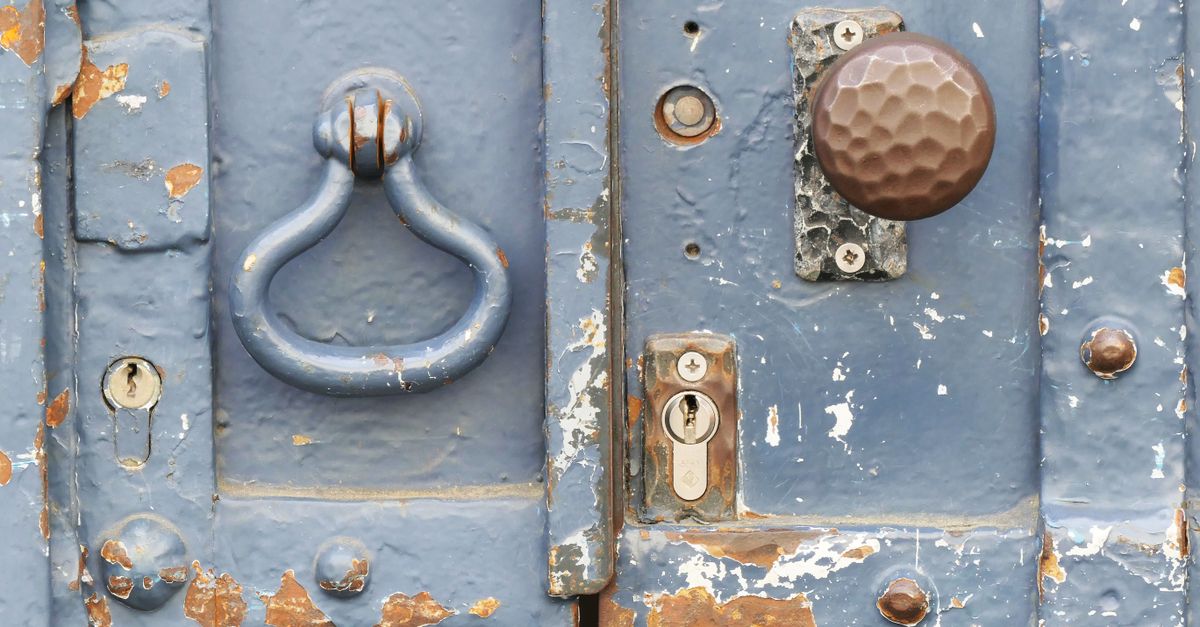
Most UK front doors are secured by one of three common arrangements: a Yale-type nightlatch combined with a five-lever mortice deadlock, a uPVC or composite door fitted with a multipoint locking system and a euro cylinder, or an older wooden door with a single mortice lock. Each type requires a different approach. Changing the lock — or specifically changing the cylinder — means removing the existing mechanism and fitting a new one, rather than simply cutting a new key to match the old barrel. For euro cylinders in particular, upgrading to a TS007 3-star anti-snap cylinder is strongly recommended, because cylinder snapping remains a popular and quick method used by opportunist burglars across Greater London, including in residential streets around Harrow town centre and the quieter roads near Pinner. Many home insurers now specifically ask whether your locks meet the BS3621 standard, and fitting one that does not comply can affect a claim.
A door lock replacement Harrow residents often delay until something goes wrong — a lost key, a lock that is stiff and unreliable, or a tenancy change. All of those are valid reasons to act, but proactive upgrades before a problem occurs are equally sensible. If your five-lever mortice deadlock was fitted more than ten years ago, if the euro cylinder on your uPVC door shows wear or play when you turn the key, or if you have recently had a break-in attempt, a fresh lock is not an overreaction. It is straightforward, lasting security.