Harrow Locksmith Service Team
Local locksmith team
7 Oct 2026 12 min read
If you look at most front doors in Harrow — whether it's a terraced house off Station Road, a semi on the Rayners Lane side, or a flat in a block near Harrow-on-the-Hill — you'll usually spot two separate locks. One sits about a third of the way up the door and needs a key to open from outside; the other is higher up and snaps shut automatically when the door closes. These two locks do very different jobs, and understanding how each one works can help you make smarter decisions about your home security, spot when something needs fixing, and know exactly what to tell a locksmith when things go wrong.
This guide explains what a mortice lock is, how a nightlatch works, why most insurers want you to have both, and what the difference actually means in everyday life. If you're dealing with a lock problem right now, call 020 3750 2226 — Harrow Locksmith is a 24/7 mobile locksmith serving the Harrow area and we can usually be with you in around 30 minutes.
## What Is a Mortice Lock, and Why Does the Name Sound Odd?
A mortice lock — sometimes spelled mortise lock — gets its name from the 'mortice', which is the rectangular pocket cut into the edge of the door to house it. Unlike a surface-mounted lock that you screw onto the face of the door, a mortice lock sits entirely inside the door itself. You can only see a small metal faceplate on the door edge and the keyhole escutcheon on each face of the door. Because it's buried inside the timber, it cannot simply be unscrewed or levered off from the outside, which makes it significantly more resistant to brute-force attack than a rim-mounted alternative.
The bolt that a mortice lock throws is a solid, square-ended bolt that moves horizontally into the door frame when you turn the key. It doesn't spring back when the door closes; it only moves when you actively turn the key. That is the defining feature of a mortice deadlock: nothing moves without the key. Most insurers across the UK specify that front doors must have a 5 lever mortice lock that meets British Standard BS3621 for a home contents policy to be valid. A 2 lever mortice lock is less secure — it has fewer levers inside for the key to lift, which means it's easier to pick or force — and is generally only suitable for internal doors or low-risk outbuildings. If you're unsure which type you have, look for the BS3621 kite mark stamped on the faceplate or the original packaging. If it's not there, it's worth asking a locksmith to check.
## The Nightlatch: What It Is and How It Differs from a Mortice Lock
A nightlatch — widely called a Yale lock after the brand that made the design famous — is a rim-mounted lock. Rather than sitting inside the door, it fastens to the inside face of the door with screws, and a matching keep (or striking plate) is fixed to the door frame. The key cylinder sits in a round hole drilled through the door and operates the mechanism from the outside; a knob or lever on the inside operates it without a key. This is what makes a nightlatch so convenient: you pull the door shut behind you and it latches automatically, then you use your key to get back in. No need to remember to lock up as you leave.
What makes it different from a mortice lock is precisely that spring-loaded latch. Because the bolt has a sloped face that retracts when it hits the frame, it can be pushed back — which is why nightlatches have a reputation for being less secure on their own. A good-quality nightlatch with a deadlocking facility (where the latch locks solid once the door is closed) is much harder to manipulate, but it still doesn't offer the same level of resistance as a thrown mortice deadlock bolt. The cylinder of a nightlatch is sometimes called a rim cylinder — this is the round barrel that accepts your Yale-type key on the outside of the door. If this cylinder is old, worn, or a cheap replacement, it can be vulnerable to snapping, which is a technique where an attacker breaks the cylinder to access the cam that operates the lock. Anti-snap cylinders, often rated to TS007 3-star, resist this — something our team always recommends when carrying out a door lock replacement Harrow homeowners ask us about.
## Why Most UK Front Doors Have Both — and What Happens When They Don't
The combination of a 5 lever mortice lock and a nightlatch is the standard setup for a traditional timber front door in the UK for good reason. The nightlatch gives you everyday convenience — it latches shut automatically, so you don't have to think about it. The mortice deadlock gives you the security rating that insurers want, because a properly thrown bolt into a solid frame is genuinely difficult to defeat without the key. Used together, an intruder would need to defeat two completely different locking mechanisms, and both would need to fail.
When people rely only on the nightlatch, they often don't realise their insurer may not cover a break-in because the more secure lock wasn't engaged. When a mortice lock is the only lock on the door, you can end up accidentally locking yourself out more often because there's no auto-latching mechanism — and you have to remember to unlock it from inside before you can open the door. We carry out lock change Harrow call-outs where the original combination has been disrupted by a previous tenant, a DIY installation, or a door replacement that left one lock incompatible with the frame. Getting both locks working correctly and to the right standard is straightforward for an experienced locksmith — it's the kind of job where it pays to have it done properly rather than leaving a gap in your security.
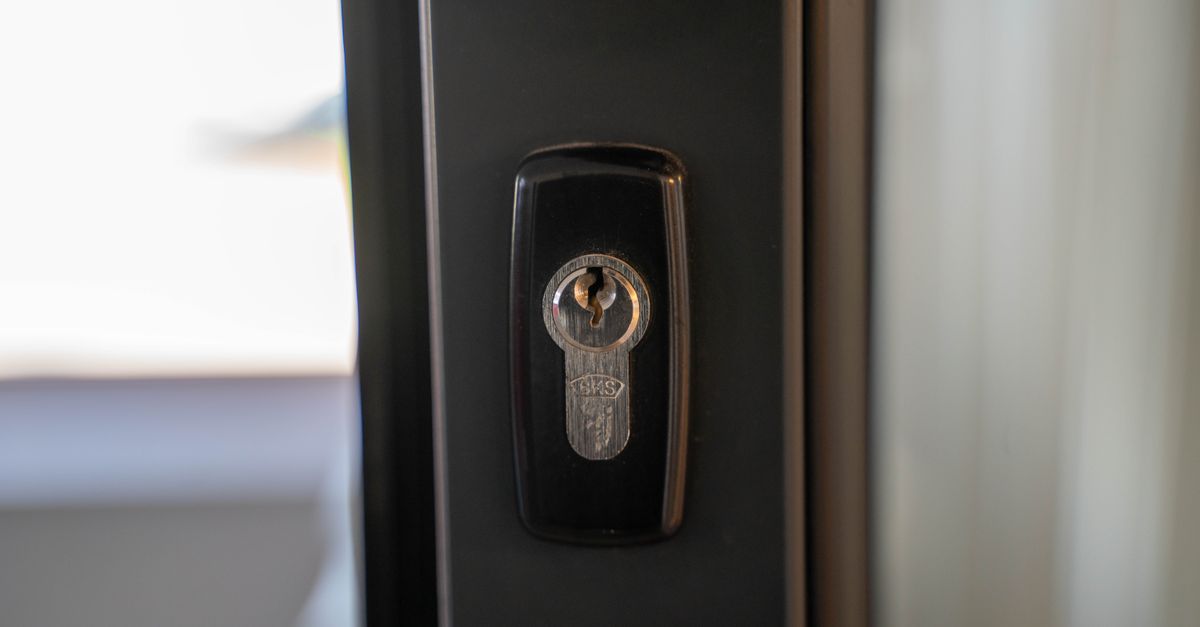
If you're in a flat, things are slightly different. Your communal entrance may have its own lock (often a rim cylinder entry system or a multipoint lock), and your individual flat door may have a deadlock, a nightlatch, or both. uPVC and composite doors — common in Harrow's newer builds and many converted flats — typically use a multipoint lock with a euro cylinder rather than the traditional mortice-and-nightlatch combination. With these doors, the euro cylinder is the most critical component, and anti-snap protection is especially important. Our team handles upvc door lock repair Harrow residents need regularly, and we always assess the full door setup before recommending anything.
## What Is a Rim Lock? Understanding the Terminology
People sometimes use 'rim lock' and 'nightlatch' interchangeably, and largely that's fine — a nightlatch is a type of rim lock. The term 'what is a rim lock' simply refers to any lock whose body is mounted on the surface (the 'rim') of the door rather than recessed into it. This includes old-style rim locks with a knob on the inside (sometimes called a door knob with lock and key on older properties), basic deadlocking rim locks, and the modern nightlatch most people think of. If your door has an older exterior door knob with lock and key rather than a lever handle and a separate nightlatch cylinder, it's worth having a locksmith assess whether it meets current security standards. Many older rim lock mechanisms offer very little resistance to forced entry and are due for replacement.
One point that often confuses people: the rim cylinder (the barrel itself) and the rim lock body (the box on the inside of the door) are separate components. If your key turns but the lock doesn't respond, the fault might be in the cylinder, in the mechanism body, or in the connection between them. A good diagnostic check by a skilled locksmith can identify which part has failed, so you're not paying to replace a component that doesn't need replacing. If you're locked out Harrow and not sure what type of lock you have, just call us — we can usually work it out from a quick description and have the right parts on the van.
## Lock Changes, Upgrades, and When to Call a 24 Hour Locksmith Harrow
There are several situations where you should have your locks assessed or replaced rather than waiting for a problem: you've just moved into a new property and don't know who holds copies of the existing keys; a previous tenant or occupant has not returned all keys; your locks are more than ten years old and show signs of wear; you've had an attempted break-in; or your insurance renewal has flagged that your locks don't meet BS3621. In any of these cases, a lock change Harrow is the right call, and it doesn't have to be complicated.
For a standard timber front door, upgrading to a quality 5 lever mortice lock and a nightlatch with an anti-snap cylinder is a job that an experienced locksmith can typically complete in a single visit. For uPVC or composite doors, the euro cylinder replacement is the main task, and again it's something done during one call-out. The cost of any job depends on the type of lock, the parts required, the time of the call-out (evenings, weekends and bank holidays are factored in), and travel to your postcode district. We always confirm an exact price before any work begins — there are no surprises when the job is done.
As an emergency locksmith Harrow, we're called out regularly to situations where a lock has failed mid-evening or a door has been left with a faulty mechanism. Whether it's a snapped nightlatch cylinder at midnight or a mortice lock that's seized in cold weather, we send a locksmith straight away and are usually with you in around 30 minutes. If you're dealing with something that can't wait, call 020 3750 2226 — we answer 24 hours a day, every day of the year, including bank holidays.
## Choosing the Right Lock for Your Harrow Home
The right combination depends on your door type, your frame condition, and your insurer's requirements. For traditional timber doors — common throughout the older housing stock in areas like Hatch End, Pinner, and Kenton — the 5 lever mortice deadlock and an anti-snap nightlatch cylinder is the standard recommendation. For uPVC and composite doors, look for a TS007 3-star rated euro cylinder. For flat front doors, a deadlock rated to BS3621 is usually the insurer's minimum requirement, and your managing agent or landlord may have specific requirements too.
If you're unsure what you currently have or whether it meets the right standard, an experienced locksmith can check in a matter of minutes. There's no need to guess, and getting it wrong can leave you either under-insured or with a lock that makes everyday access more difficult than it needs to be. Harrow Locksmith is a fully insured, professional mobile locksmith service covering the Harrow area. We carry a wide range of quality lock cylinders and mechanisms on the van so most upgrades and replacements can be completed in a single visit without a return trip for parts.
Frequently asked questions
What is a mortice lock and do I definitely need one on my front door?+
A mortice lock is a lock that sits inside a pocket (the mortice) cut into the edge of your door. It operates a solid bolt that only moves with a key — it won't spring back or retract by itself. For most UK home insurance policies, you do need one: specifically a 5 lever mortice lock that meets British Standard BS3621. Without it, your insurer may refuse a claim after a break-in, even if the door was locked. If you're not sure whether your current lock meets this standard, a quick check by a skilled locksmith will tell you straightaway.
What is the difference between a nightlatch and a mortice lock?+
A nightlatch (sometimes called a Yale lock or rim lock) is mounted on the surface of the door and latches automatically when the door closes — handy for everyday use, but the spring-loaded bolt can be more vulnerable if the cylinder is poor quality. A mortice lock is recessed inside the door and throws a solid bolt that only moves with the correct key. Most front doors in the UK use both: the nightlatch for convenience and the mortice deadlock for the security level that insurers require. If your door only has one or the other, it's worth having a locksmith assess what's needed.
What is a rim cylinder, and is it the same as the Yale lock hole on my door?+
Yes — the rim cylinder is the round barrel that fits through the hole in your door and accepts your Yale-type key on the outside. It connects to the nightlatch body on the inside of the door to operate the latch. If your cylinder is old or a cheap replacement, it may be vulnerable to snapping — a technique where the cylinder is physically broken to operate the lock without a key. Upgrading to an anti-snap cylinder rated to TS007 3-star is a straightforward and worthwhile improvement that our team carries out regularly as part of door lock replacement Harrow call-outs.
What should I do if I'm locked out of my house in Harrow?+
First, check whether any other doors or windows are open or whether a trusted neighbour or family member has a spare key. If not, do not attempt to force entry yourself — this risks damage to the door or frame that can be costly to repair and may not even work. The right step is to call a professional locksmith who can open the door using legitimate, non-destructive techniques. We will also ask you to confirm ownership or tenancy of the property before any work begins. As a 24 hour locksmith Harrow homeowners rely on, we're available any time — call 020 3750 2226 and we'll send someone straight out.